RFID Temperature Label | Smart Temperature Monitoring and Data Tracking Tag

RFID Temperature Label
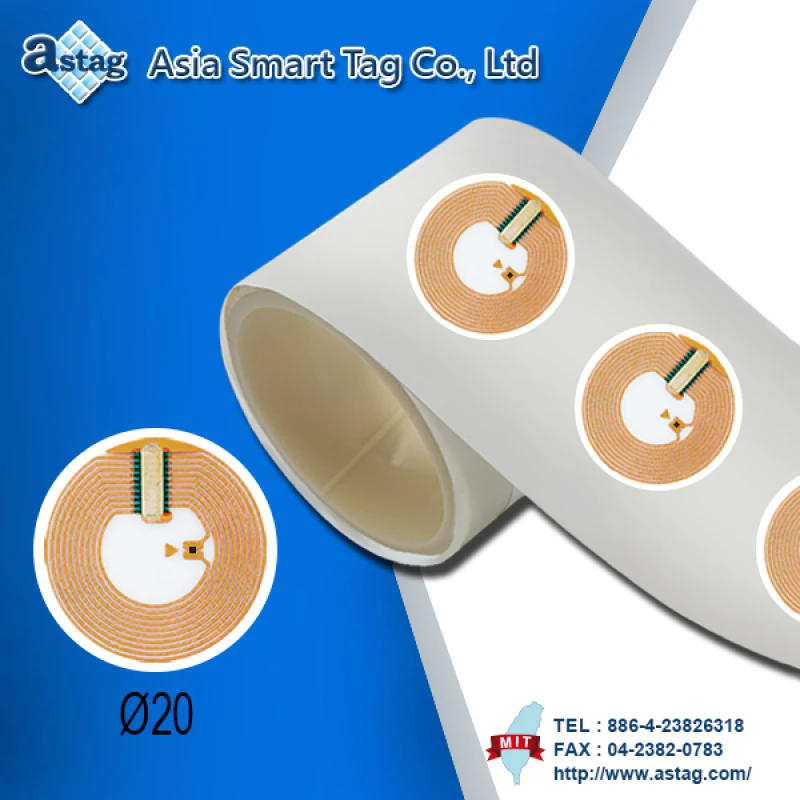
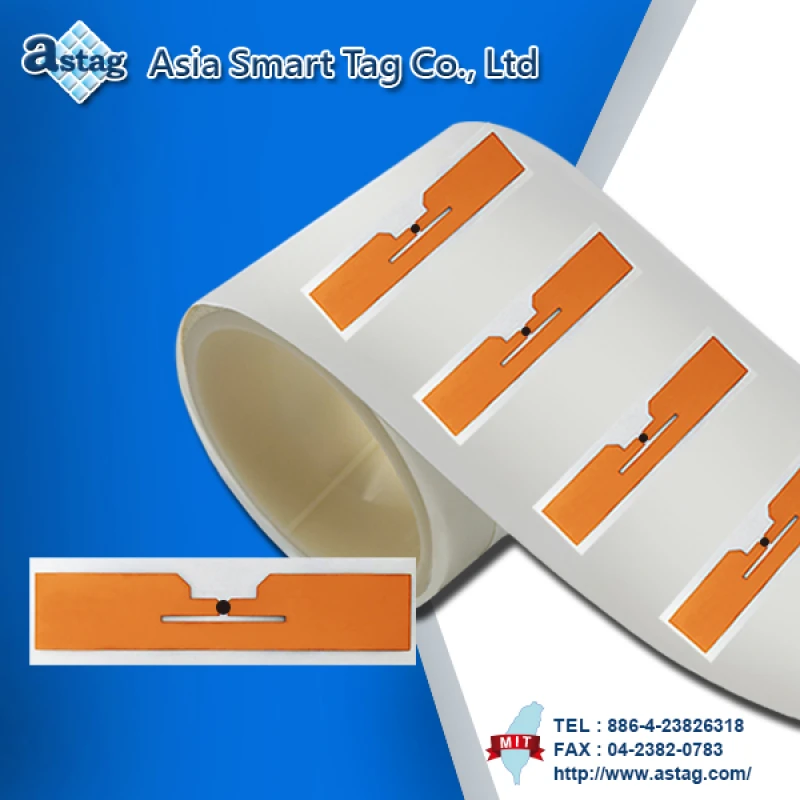
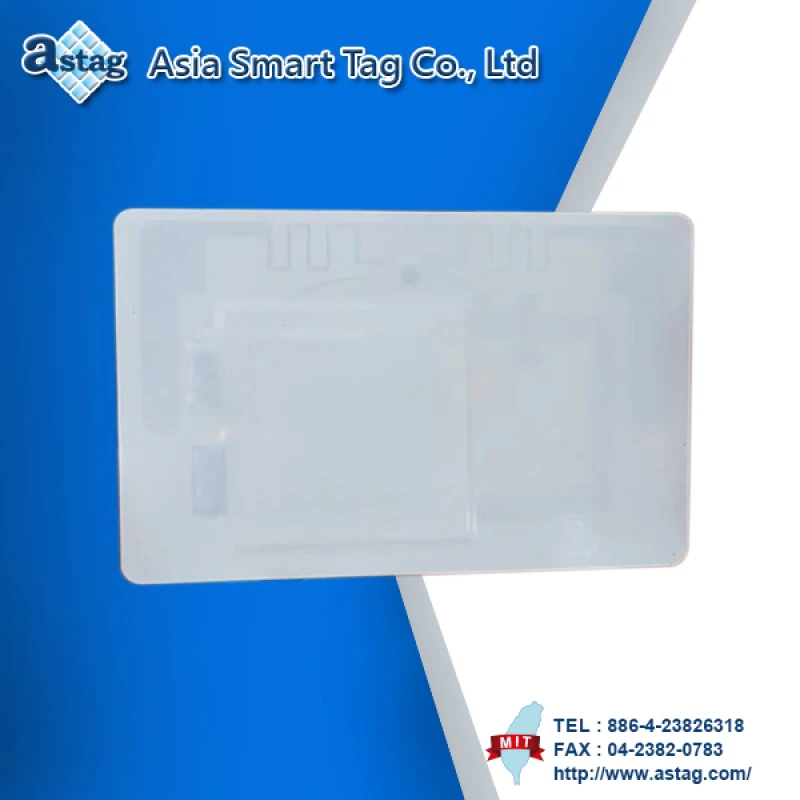
RFID Temperature Labels are smart labels that integrate RFID technology with temperature sensing. Temperature data can be read wirelessly and without physical contact using an RFID reader or NFC-enabled smartphone. Selected models can also store temperature data over a period of time for temperature monitoring and tracking.
Available in ISO 15693 or ISO 18000-6C / EPC-C1G2 versions, RFID Temperature Labels are suitable for temperature monitoring, data tracking, and product management.
RFID Temperature Label Advantages
- Contactless Temperature Reading: Read temperature and product data wirelessly without opening packages or touching products.
- Multiple Tag Reading: Read multiple RFID temperature labels efficiently to improve warehouse and logistics operations.
- Temperature Data Logging: Record and track temperature changes over a specific period for storage and transportation monitoring.
- Temperature Alerts: Monitor preset temperature limits and identify abnormal temperature conditions.
- Data Integration: Integrate RFID data with QR Codes, barcodes, and product identification information for easier tracking and management.
RFID Temperature Label Applications
RFID Temperature Labels are suitable for applications requiring both product identification and temperature monitoring, including:
- Food & Cold Chain Logistics: Monitor temperature conditions for meat, seafood, dairy products, and other temperature-sensitive goods.
- Pharmaceutical & Medical Products: Track temperature conditions for vaccines, blood products, biologics, and other temperature-sensitive products.
- Industrial Equipment: Monitor temperature changes in machinery, equipment, and components to support equipment management and preventive maintenance.
Custom RFID Temperature Labels
Astag's RFID Temperature Labels can be customized according to product applications and RFID system requirements, including custom printing, QR Codes, barcodes, and RFID encoding.
For specific requirements such as label size, temperature range, reading distance, or data management, specifications and feasibility can be evaluated separately.